Monday, June 20, 2011
Where have I been this last year?
Tuesday, June 15, 2010
How architects view buildings – and how normal people understand them
The picture above shows the inside of the Beetle's House by Architect Terunobu Fujimori - which is as small as a sauna, and has a wonderful smell of charcoal. It is on display for active visitors who love rung ladders at the V&A.
As visitors to museums and heritage sites, we browse around elements inside spaces, walk toward colour, are attracted by physical interventions within the space, we are magnetically drawn to sofas when we are tired, and to windows when we are lost – and none of these apply if we are accompanied by children or bored partners.
This is why an interpretative designer, who designs to communicate, is generally more conscious of visitor interaction and patterns of behaviour than an architect. Interpretative designers choreographthe visitor experience within museums, galleries, heritage sites etc – they are less interested in iconic voids and structures, but more focused on understanding spaces as narrative environments – not just because they are full of stories (about objects and research) – but because they are the stories: those stories that unfold around the visitor, as he or she explores and brings them to life. The visitor with the Midas touch.
At the V&A last night it was interesting to reflect on the architectural exhibition on the 4th floor. It functions as a continuation of the Architecture Galleries, but it's about the temporary building installations within the Museum I mentioned in my previous blog.
It is an exhibition by architects for architects.
The exhibition presents a series of models. In essence, curatorially, it manages to enclose external models of buildings into glass showcases. The models are boxes, seen from outside, inside another sealed box, seen from outside – and through a glass screen. I am sure a postmodern philopspher would have an appropriate comment to make here.
What the exhibition does is to unwittingly confirm the introductory leaflet’s own critical view of what architecture exhibitions should not do:
Architecture is intrinsically part of our everyday experience. Yet architecture exhibitions, with their emphasis on drawings, models and photographs, sometimes deny their audience an engagement with actual buildings.
Aha!
So while attempting to subvert how we understand spaces by building climb-in full scale models to explore, the V&A seems to place at the heart of its interpretative effort when reflecting on its practice, a very traditional approach to buildings – seen (and presented to the public) as perfectly formed, miniature objects that you look at from outside. If you would like to see what I mean, applied to museums and heritage in general, google image any name of any museum/art gallery you might know – and I will buy you a coffee if your first image is not of a building, seen from outside.
As an interpretative planner, I find working with interpretative designers an easier fit than working with architects as designers and communicators of content to visitors. Interpretative designers think of movement through museum spaces as a rhythmic beat, an evolving, diversely paced experience, with emotional highs and lows, dramatic surprises, points of suspension, intellectual climaxes and sensory features. All this is woven into the content of the Museum, inextricably.
I struggle with the view (some) architects have of architecture – which is just as well, since, at the end of the day, I am not an architect.
1:1
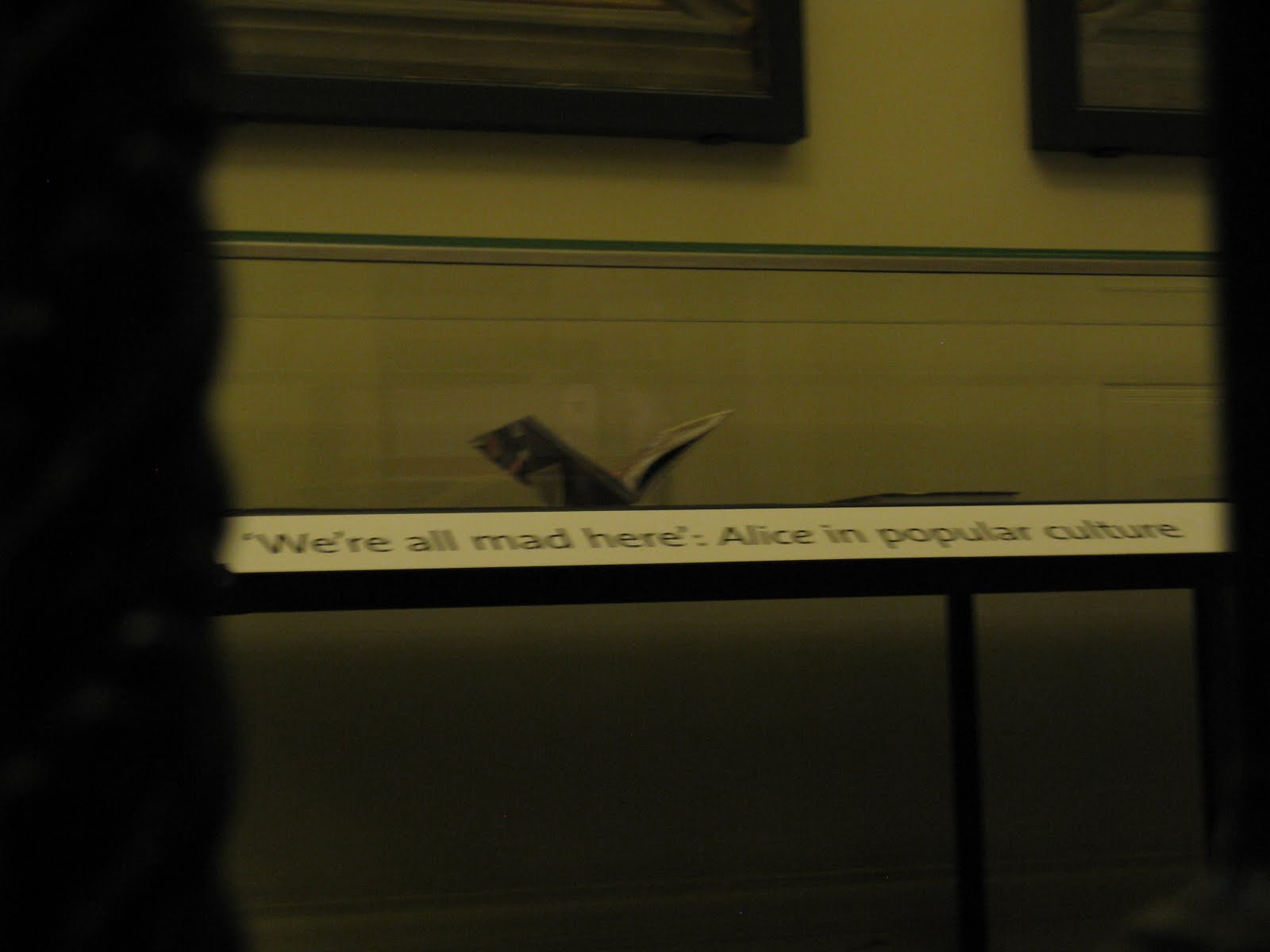
All the structures can be climbed into – although bare feet are required in some – they have restricted capacity, sometimes for only 6 people at one time, and the wooden bookshelf building by Norwegian architects Rintala Eggertsson on 3 floors is wobbly when you get to the top. Which makes for a slightly seasick reading experience, but a visually exciting and imaginative connection between the inside of the house and the see-through bookshelves through which you stare at the National Art Library. I peeked through the books while holding onto the real stairwell banister – and the quote was... appropriate:
A surreal moment.
I found the Beetle’s House by Japanese Architect Terunobu Fujimori an exciting intervention for it seems to tug at our heartstrings, and it reminded me of something I have never actually built or owned personally – a tree house, a primeval children’s adventure.
The outdoor Ratatosk by Norwegian Architects Helen and Hard was great for people watching, and struck me as very empathetic to the extraordinary red brick facades with their Victorian Gothic arches which surround it. (The snapshot of the yellow heel which opens this blog belonged to a lady who was picking her way carefully over the soft cushion platform made from wood and bark chips on which the structure sits.)
In terms of the politics of space - and I base this on my viewing of the drawings and visuals from all the entries which are on display in the Architecture Gallery on the 4th floor - I think the original competition may have asked architects to visualise their minibuilding in one of the premium spaces of the Cast Courts – next to the plaster cast of Michelangelo’s David. This statue, which stands at 17 feet tall (5.7m), was the first major cast in the Museum’s collection, and is one of my true loves - the first picture below shows it before the 1:1 installation.

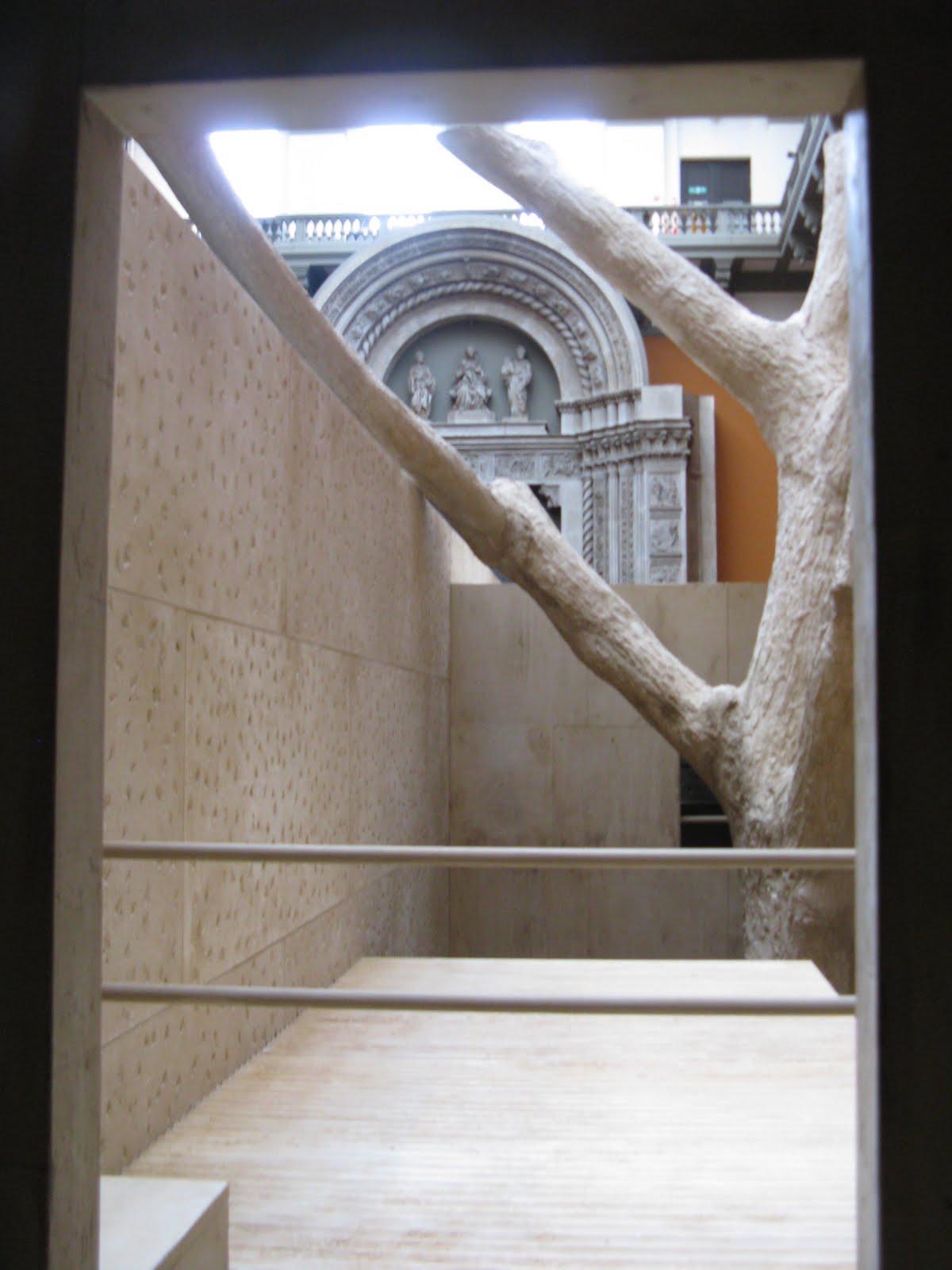
The location of the structure - called In Between Architecture - in the Cast Court seems to create an unexpected conversation between two opposing ideas of public space: that defined on the one hand as the grand, sun filled, open piazza in Renaissance Florence, and on the other by the circulation thoroughfares in Mumbai today, that run through private dwellings, in between spaces, drawing the light in from slits above. Private spaces that symbolise the pressures on public space. (This is a view from the inside of the structure looking up - a plaster cast of a real tree, an organic form absorbed within the concrete shape sits central to the building.)
David stands taller than the structure, seeming to contemplate it with a certain wariness – and the dialogue is electrifying.
If you're in London, go and see it. If not, the website is: http://www.vam.ac.uk/collections/architecture/smallspaces/index.html
And... on a final note.
Walking past the V&A’s enormous halls in the evening, peering into the darkened galleries, contemplating the sleeping showcases and the objects inside them, quiet and still, is a beautiful, calming experience. I enjoyed this as much as the structures – and the other stunning architectural specimens which seem passé, redundant giants: the cast of Trajan’s Column for example, unceremoniously chopped into half to fit the void. What wonderful places museums are!
Wednesday, May 26, 2010
Highlights from a National Correspondent
Cheers! – or, as I learnt from my Estonian colleagues: terviseks, which stands for health and sex!
The event is a highlight of my professional year – and it was absolutely wonderful this year, full of exciting professionals and creative thinkers. Tampere is a small city, called the Manchester of the North for its textile industry. The industrial area founded by the Scotsman James Finlayson bears his name to this day and has been wonderfully readapted as a multifunctional cultural, cinema, restaurant, exhibition quarter. 210,000 people live in Tampere, and there are 100 museums (!!) including the only extant Lenin Museum in the world. As the Mayor of the City mentioned during an opening speech, Finland's rapid progress as a post industrial economy is founded on its profound respect for its industrial heritage, and its ability to transform them into new and inventive public places. The whole experience made for a certain self satisfied, mouth watering museum glut – for which I do not apologise.
I was overjoyed to be offered to become the UK National Correspondent for the European Museum Forum, the organisation that awards the prize annually. I walked into the Sara Hilden Modern Art Gallery in Tampere on Thursday night, a normal person – and came out two hours later honoured by the title. (The photograph above relates to a previous visit to the Gallery).
Talk about the transformative power of museums!
My role will be that of encouraging UK museums to apply for the award and generally make intelligent connections between them and the European museum network. So let’s hear it for diminished isolation of the British museum scene from our European counterparts! Terviseks!
Wednesday, March 24, 2010
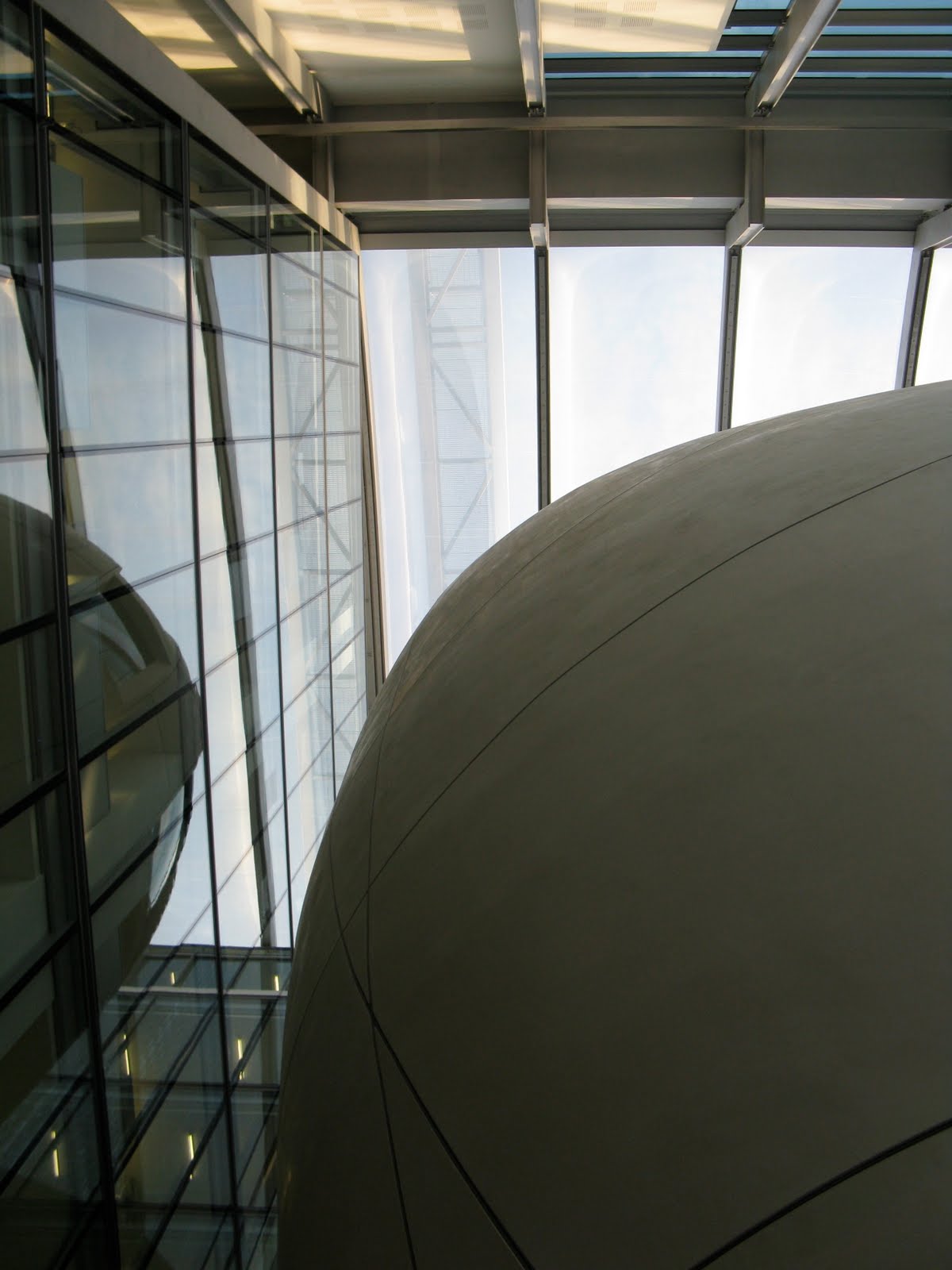
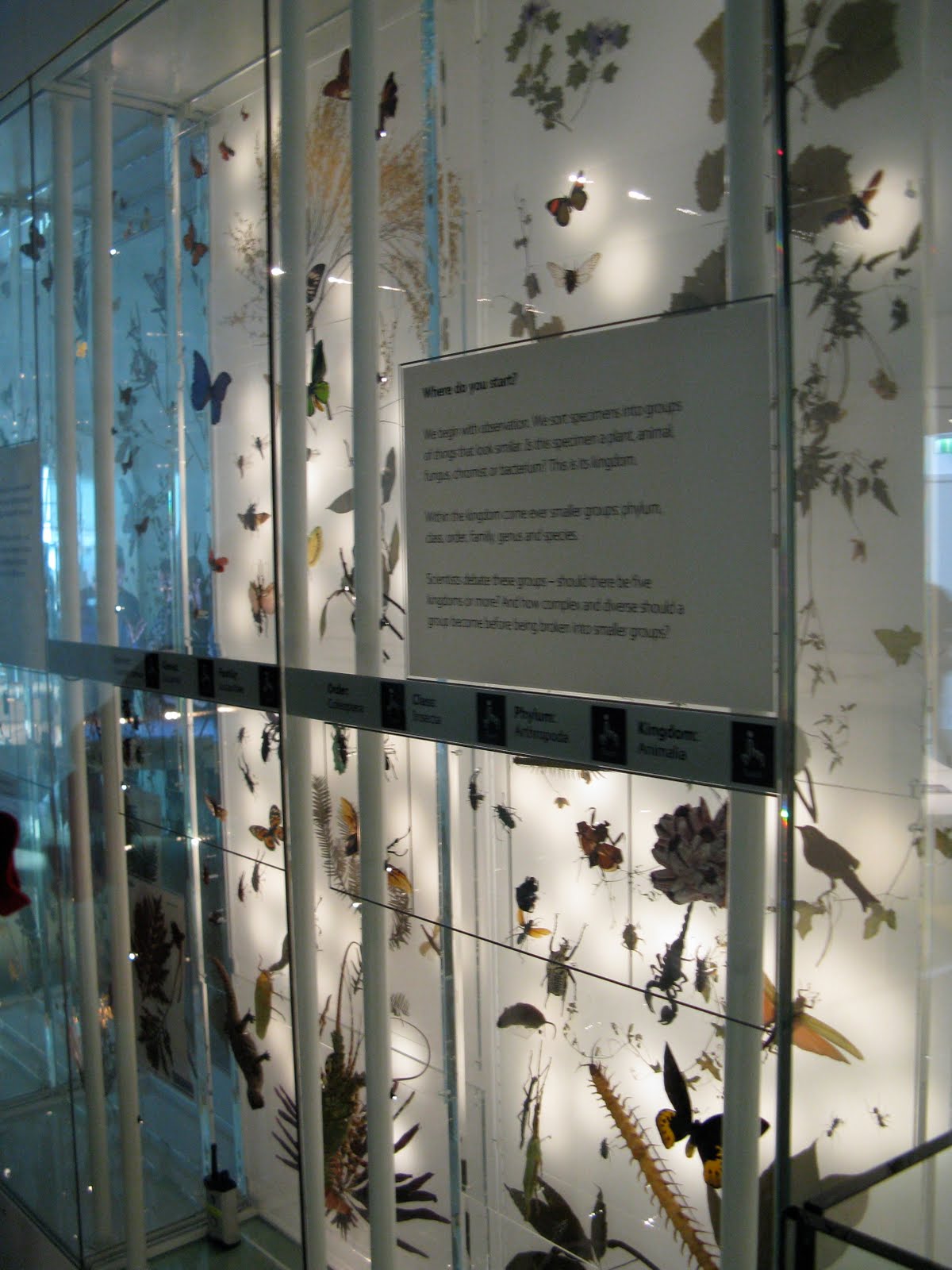
Architecture of Science

Friday, February 12, 2010
Personnes, Paris
It houses Christian Boltanski’s latest installation for Monumenta 2010 – an annual review of art. Personnes can only be described as a reflection on death. As a visitor, you go through a cursory security check, then walk into a rusting wall of numbered boxes set as a barrier in front of your path – you are obliged to walk around it, under its haunting light bulbs. The bulbs, peculiarly reminiscent of those hanging around the fences of concentration camps, were the first indicators, to me, that I was stepping into an installation about death.
With a post modern sense of shock, I became aware of being – not feeling, but being – incredibly lonely in this too-large-to-be-crowded space. Watching people take pictures of each other in front of the huge mound of worn clothes was eery. On the other hand, I felt a sudden warm and irresistible connection to the little kid who picked up her younger toddler brother and pretended to throw him onto the pile – to his immense delight.
The framed quandrangle spaces are much more individual – fewer people walk there, they walk alone, and they walk in silence, as if among gravestones. Those empty clothes, laid out on their front, all pointing forwards, toward the huge mound, don’t resemble corpses at all – but seem to touch a deep fear inside us, of anonymity, genocide, impersonal death by number.
The huge industrial crane that supposedly picks up the clothes from the mound and drops them haphazardly, indicating the randomness of death, was not working when we visited. But the experience was intense, desolate, and I rather imagined its terrifying robotic movement like the breathing of this installation – more terrible than if it had been working.
We walked out very quietly, moved and troubled.
Sunday, January 3, 2010
Becoming a Possibilian in 2010


Monday, December 7, 2009
Medieval and Renaissance Galleries, Victoria and Albert Museum
The ten new galleries in the east wing of the V&A – which reopened last week to a tune of 32 well spent millions – are very impressive. I could not make the official opening, but pottered around on Sunday with a friend. Designed by McInnes Usher McKnight Architects, the spaces are extraordinary – especially the bizarre and extremely fun new link areas which have created new surface areas and volumes that can happily accommodate entire frontages of houses. We have, of course, seen this before, as museums worldwide struggle to find space in which to make publicly accessible their hidden collections, and re-invent galleries inside their buildings in which to do this. It requires gutting out and re-imagining outside spaces as inside spaces, and making the new architecture work with what remains of the historic building.
Many similar interventions have been hugely successful - in primis Foster’s Great Court at the British Museum and I. M. Pei’s Deutsches Historische Museum in Berlin. On a smaller scale, but to refer to a project on which I worked, Terry Farrell Architects opening up of vertical circulation within the buildings of the Royal Institution in central London.
But at the V&A the visibility of these innards – spaces that are external to the buildings that make up what we know as the V&A, an architectural jigsaw behind the unifying Edwardian façade – is bright, exciting and plain fun. It is as if the architects have imagined spilling objects out into the in-between spaces, playing between negative volumes on display and entrail volumes of the building.